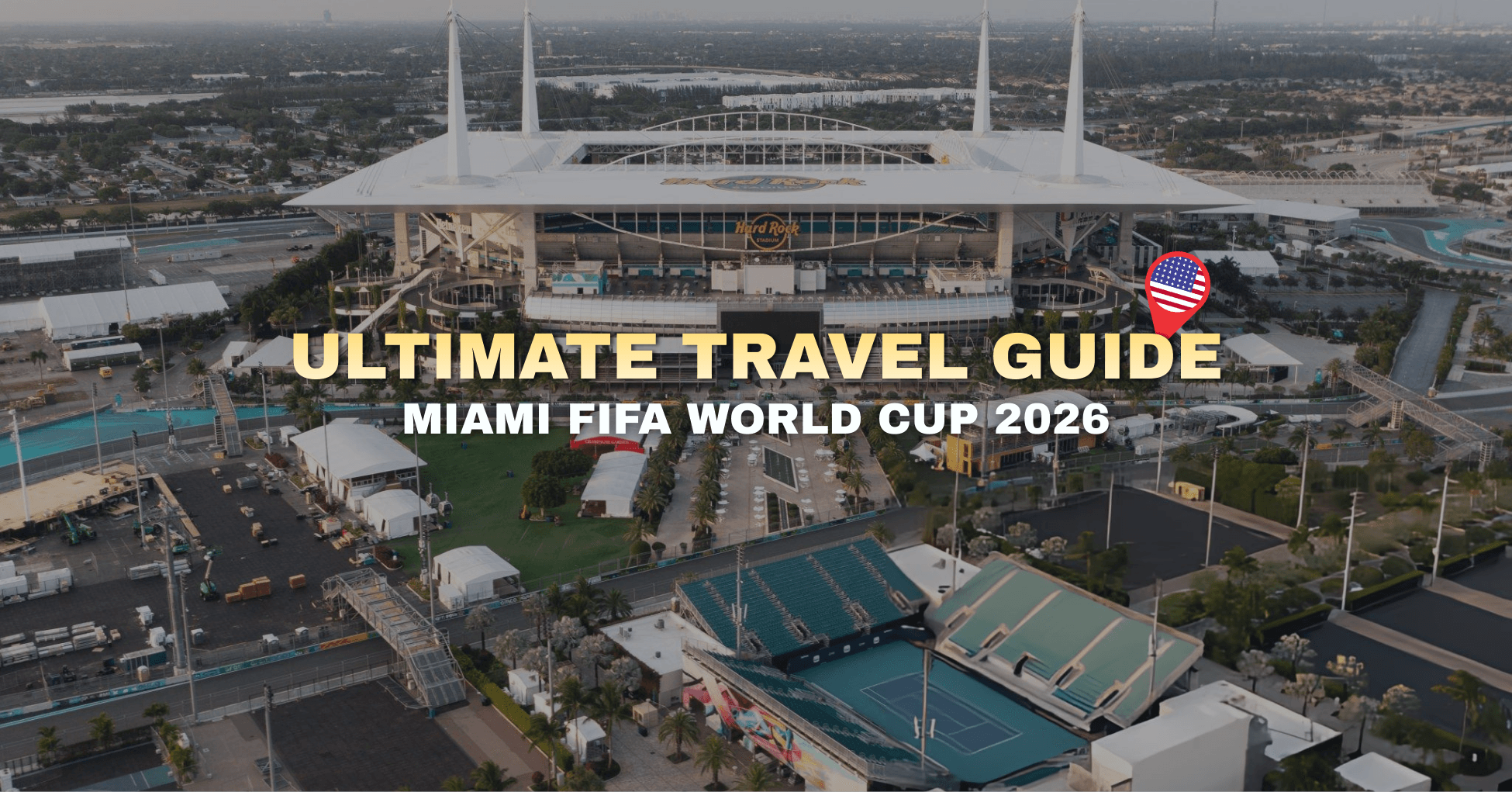
Miami is one of the United States host cities for the FIFA World Cup 2026. Matches in Miami will be played at Hard Rock Stadium, a major sports venue located in Miami Gardens in the northern part of the metropolitan area.
The city is known for its beaches, Latin American cultural influence, and vibrant nightlife. During the World Cup, these characteristics are expected to shape a unique tournament atmosphere combining football celebrations with Miami’s well-known coastal lifestyle.
Visitors arriving for the tournament will find a wide range of experiences beyond the stadium. Areas such as Miami Beach, Wynwood, Downtown Miami, and Little Havana offer cultural attractions, food scenes, and nightlife within relatively short distances of each other.
Hard Rock Stadium in Miami Gardens will host several matches during the FIFA World Cup 2026. Miami is one of eleven United States cities selected to stage matches in the tournament.
For many travelers, exploring the city between matches becomes as memorable as attending the games themselves.
Recent Developments Ahead of World Cup 2026
Local authorities and tourism organizations have been preparing for the tournament for several years. Miami officials expect the event to attract hundreds of thousands of international visitors during the summer of 2026.
Hard Rock Stadium has already hosted major global sporting events including the Super Bowl and international football matches. The venue is undergoing continued operational planning to accommodate World Cup crowds.
Tourism organizations such as the Greater Miami Convention & Visitors Bureau have also launched dedicated visitor information resources to help fans navigate the city during the tournament.
More information about Miami’s preparations can be found through official sources:
Miami World Cup host committee
https://miamifwc26.com/
Greater Miami Convention & Visitors Bureau World Cup guide
https://www.miamiandbeaches.com/events/sporting-events/fifa-world-cup-guide
Hard Rock Stadium official website
https://www.hardrockstadium.com/
These initiatives include visitor information, transportation planning, and event programming connected to the tournament.
Quick Facts for Visiting Miami During the World Cup
Miami is geographically spread out, which means visitors often explore several neighborhoods rather than staying in one central district.
Most travelers need at least two to three days to experience the main areas linked to World Cup activities. The city offers a wide mix of beaches, cultural districts, and nightlife neighborhoods.
Budget expectations during the tournament may range widely depending on accommodation choices. Beachfront hotels in Miami Beach are typically the most expensive, while areas such as Downtown or Brickell may offer a wider range of options.
Transportation around Miami often involves rideshare services, taxis, or public transit such as the Metrorail and Metromover. Renting a car is also common for visitors who plan to explore outside the central districts.
Neighborhoods that work well for World Cup visitors include:
Miami Beach
Downtown Miami
Brickell
Wynwood
Edgewater
These areas provide access to restaurants, nightlife, and cultural attractions while remaining connected to stadium transportation routes.
Hard Rock Stadium and the World Cup Atmosphere
Hard Rock Stadium sits in Miami Gardens, approximately 16 miles north of Downtown Miami. The stadium has a capacity of more than 65,000 spectators and is one of the largest sports venues in Florida.
The stadium opened in 1987 and has undergone multiple renovations, including a major modernization project completed in 2016. It is currently home to the Miami Dolphins of the NFL and regularly hosts international soccer matches.
Hard Rock Stadium in Miami Gardens will host several matches during the FIFA World Cup 2026.
The venue is known for its distinctive canopy roof structure, which provides shade for spectators during Florida’s warm summer climate.
Although the stadium itself sits outside the main tourist areas, visitors often combine match days with trips to nearby neighborhoods or beaches.
Popular places that visitors explore before or after matches include:
Hard Rock Stadium area
Downtown Miami
Brickell City Centre
Bayside Marketplace
Miami Beach
Travelers looking for food, nightlife, and sightseeing options around the stadium can explore this guide to nearby experiences:
https://destplore.com/blogs/things-to-do-near-hard-rock-stadium-before-and-after-matches-world-cup-2026-1
Best Neighborhoods for Visiting Fans
Miami’s personality varies significantly from neighborhood to neighborhood, and visitors often choose accommodation based on the type of experience they want.
Miami Beach is the city’s most internationally recognized area. The long stretch of sandy coastline attracts travelers who want to combine the World Cup with a beach holiday.
Downtown Miami offers easy access to transportation hubs and waterfront views along Biscayne Bay. Attractions such as Bayside Marketplace and Bayfront Park often host public events and gatherings.
Brickell has become Miami’s financial district but is also known for its restaurants, rooftop bars, and modern high-rise hotels. The Brickell City Centre shopping complex is one of the neighborhood’s main attractions.
Wynwood has developed into Miami’s most recognizable arts district. Visitors come here to explore colorful murals and galleries, particularly around Wynwood Walls.
Little Havana provides a completely different atmosphere. The historic Cuban neighborhood is famous for traditional cafés, live music, and Latin American culture.
Things to Do Between Matches in Miami
Even during a global sporting event, Miami remains a destination where beaches, art, and food define the experience.
Visitors exploring the city between matches often combine several neighborhoods in a single day.
Some of the most visited locations include:
Miami Beach
Wynwood Walls
Bayside Marketplace
Downtown Miami waterfront
Little Havana’s Calle Ocho
Brickell City Centre
Miami Beach offers miles of coastline, Art Deco architecture, and public parks along Ocean Drive.
Wynwood Walls has become one of the most photographed outdoor art spaces in the United States. The district contains dozens of murals created by international street artists.
Little Havana provides insight into Miami’s Cuban cultural heritage. Visitors often stop at local cafés for Cuban coffee or watch domino games in Máximo Gómez Park.
Travelers interested in structured city experiences can explore more ideas in the guide to Miami World Cup 2026 activities once the cluster article is available.
Walkable Sightseeing Routes for Soccer Fans
Although Miami is a large city, several areas offer walkable sightseeing routes suitable for visitors during the tournament.
One common route connects several downtown attractions:
Start at Bayside Marketplace
Walk along the Downtown Miami waterfront
Continue to Bayfront Park
Ride the Metromover to Brickell
Explore Brickell City Centre
Another route focuses on culture and art:
Begin in Wynwood Walls
Walk through surrounding mural streets
Visit local cafés and galleries
Continue toward the Design District
These routes allow visitors to experience different aspects of the city without needing a full day of travel.
Local Secrets for Experiencing Miami During the World Cup
Large international events often highlight famous attractions, but local residents know quieter places that can provide a more relaxed experience.
Some helpful local insights include:
Many locals prefer South Pointe Park in Miami Beach for sunset views rather than the crowded central beaches.
Cuban cafés in Little Havana offer inexpensive meals and strong Cuban coffee that locals drink throughout the day.
Wynwood becomes significantly quieter in the morning, making it the best time to explore murals and art spaces.
Brickell’s waterfront promenade provides scenic skyline views and fewer crowds compared with Miami Beach nightlife areas.
Some sports bars in Downtown Miami show international matches early in the morning due to global time zones.
These locations allow visitors to experience Miami beyond the busiest tourist spots.
How World Cup Hunt 2026 Works in Miami
World Cup Hunt 2026 is a global football-themed exploration challenge that encourages fans to discover host cities through interactive missions.
Participants use a mobile device to follow clues and complete location-based tasks across different cities hosting the tournament. The format is self-guided, meaning travelers can start the experience at any time without a scheduled tour.
Players earn points by solving puzzles and visiting real-world landmarks. Scores are added to a global leaderboard where participants compete with players in other host cities.
Because the challenge runs throughout the tournament period, travelers can participate whenever it fits their schedule.
More details about the global challenge can be found at:
https://worldcuphunt.com
Exploring the Miami Soccer City Hunt
Miami also features its own version of the experience designed around the city’s major landmarks and cultural districts.
The Miami Soccer City Hunt guides participants through several well-known locations such as:
Bayside Marketplace
Downtown Miami
Brickell City Centre
Wynwood Walls
Miami Beach
Participants follow clues that connect football culture with local history and geography.
The activity involves several kilometers of walking across different neighborhoods and typically takes two to three hours to complete. Puzzle difficulty ranges from easy to moderate, making the challenge suitable for individuals, couples, or groups.
Travelers can begin the experience by visiting the official adventure page:
https://destplore.com/adventures/miami-2026-soccer-city-hunt-zdcywl.html
FAQ: Miami World Cup 2026 Travel Guide
Do I need match tickets to enjoy Miami during the World Cup?
No. Many visitors attend fan festivals, public viewing events, and cultural activities without entering the stadium.
What is the best area to stay for World Cup matches in Miami?
Miami Beach, Downtown Miami, and Brickell are popular options because they offer hotels, restaurants, and nightlife within central locations.
Is Miami walkable during the tournament?
Certain neighborhoods such as Miami Beach, Wynwood, and Brickell are walkable. However, traveling between districts usually requires taxis, rideshare services, or public transit.
Where can fans watch matches without tickets in Miami?
Public fan zones, sports bars, and outdoor screenings are expected throughout the city. Specific locations will be announced closer to the tournament.
How far is Hard Rock Stadium from Miami Beach?
Hard Rock Stadium is roughly 20 miles from Miami Beach. Travel times vary depending on traffic and typically range from 30 to 45 minutes.
Which neighborhood has the best nightlife during the World Cup?
Miami Beach and Brickell are widely known for nightlife. Wynwood also offers bars and music venues popular with younger visitors.
What cultural experience should visitors not miss in Miami?
Little Havana provides a unique look at Miami’s Cuban heritage through music, cafés, and street culture along Calle Ocho.
This content has been crafted by the creative team at Destplore, drawing from real-world experiences, firsthand explorations, and up-to-date research to deliver authentic and insightful guidance for your adventures.